Buying Guide
What Do Binocular Numbers Mean? 8×42, 10×42 Explained
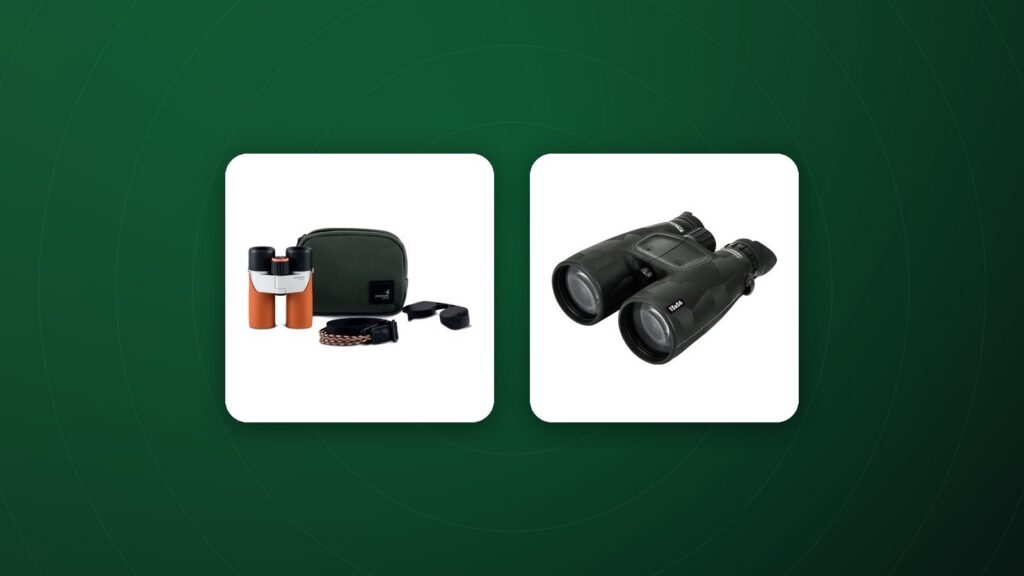
What do binocular numbers mean? A pair labelled 8×42 has 8x magnification and 42 mm objective lenses. Those two numbers, and a few other specifications, tell you how bright, steady and wide the view will be.
Magnification (the first number)
Magnification shows how much closer the subject appears. At 8x, a bird 80 metres away looks as if it were 10 metres away. Higher magnification shows more detail but also magnifies hand shake and narrows the field of view.
- 7x to 8x: steady, wide views; great for birding and general use.
- 10x: more detail for open landscapes and distant wildlife.
- 12x and above: best with a tripod or image stabilisation.
Objective lens diameter (the second number)
The objective size, in millimetres, determines how much light the binoculars gather. Larger objectives give brighter images, especially at dawn and dusk, but add size and weight.
- 25 to 32 mm: compact and light for travel and hiking.
- 42 mm: the popular all-round size.
- 50 to 56 mm: bright views in low light and for astronomy.
Exit pupil
Divide the objective size by the magnification to get the exit pupil in millimetres. An 8×42 has an exit pupil of about 5.25 mm. Larger exit pupils give brighter, more comfortable views in low light.
Field of view
Field of view is the width of the scene you see, often given in feet at 1,000 yards or metres at 1,000 metres. A wider field makes it easier to find and follow moving birds and animals.
Eye relief and glasses
Eye relief is the distance from the eyepiece at which you can see the full image. If you wear glasses, look for around 15 mm or more and twist-up eyecups.
Prism type, coatings and waterproofing
Roof prisms are slim and robust; porro prisms offer depth and value. Fully multi-coated optics improve brightness and contrast, and nitrogen or argon purging prevents internal fogging.
Choosing binoculars for your activity
- Birding: 8×42 or 10×42 with a wide field of view.
- Hiking and travel: compact 8×25 to 10×32.
- Marine use: 7×50 for stability and brightness on a moving deck.
- Astronomy: 10×50 or larger, ideally on a tripod.
Image stabilisation
Image-stabilised binoculars reduce shake, making higher magnifications practical without a tripod.
Frequently Asked Questions
Is 8×42 or 10×42 better?
8×42 is steadier and wider; 10×42 shows more detail. Birders often prefer 8x, hunters and open-country users 10x.
What binoculars are best for astronomy?
Larger objectives such as 50 mm or more with moderate magnification, ideally on a tripod.
Do more expensive binoculars make a difference?
Higher-end glass and coatings improve sharpness, colour and low-light performance, especially at the edges of the view.
What does a 7×50 marine binocular mean?
7x magnification with 50 mm objectives, providing bright, steady views on boats.
What is twilight factor?
A calculated value indicating detail visibility in low light; higher values suggest better performance at dusk.
Shop binoculars
Compare magnification and objective sizes in our binoculars collection, with full specs and 60-day returns on eligible items.