Buying Guide
How to Choose a Mirrorless Camera for Beginners
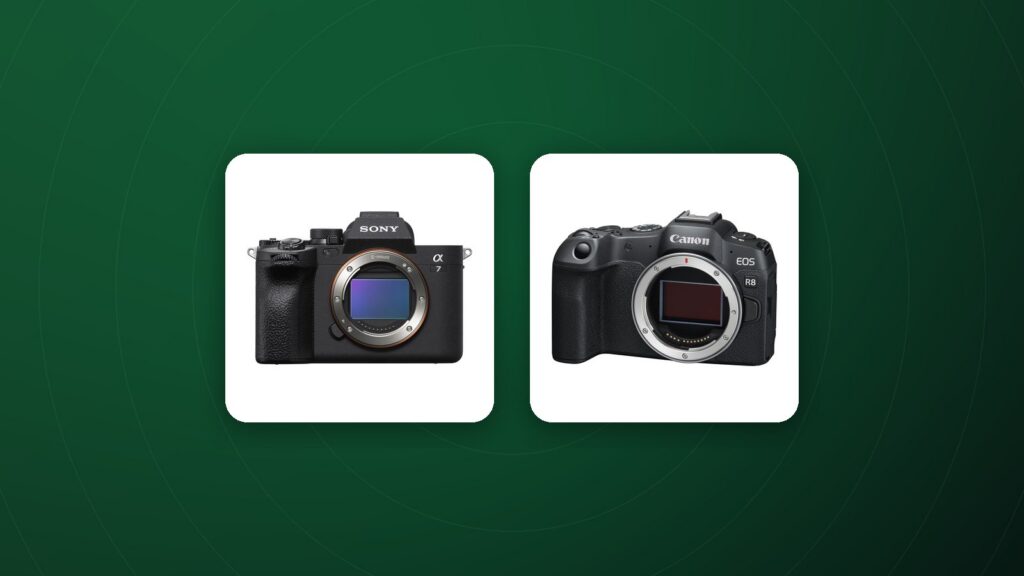
Choosing a mirrorless camera for beginners is less about chasing the newest model and more about picking a system that is easy to learn and that can grow with you. This guide walks through the decisions in the order they matter, so you can buy once and start shooting with confidence.
Why mirrorless is the natural starting point
Mirrorless cameras show you the final exposure in the electronic viewfinder or on the rear screen before you press the shutter. If an image is too dark or too bright, you see it immediately and can correct it, which makes learning exposure much faster than guessing with an optical viewfinder. They are also generally smaller and lighter than DSLRs, and almost all new lenses and bodies from the major brands are now designed for mirrorless mounts.
Sensor size: APS-C or full frame?
The sensor is the part of the camera that captures light. The two sizes you will see most often are APS-C and full frame.
- APS-C bodies and lenses are usually smaller, lighter and more affordable. They give extra “reach” with telephoto lenses, which helps with wildlife and sports.
- Full frame sensors gather more light, which helps in dim conditions and makes it easier to blur the background. Bodies and lenses tend to be larger and cost more.
For most beginners, a modern APS-C camera is more than capable. If you already know you will shoot a lot of low-light events or portraits with very soft backgrounds, starting in full frame can save an upgrade later.
Autofocus that does the hard work
Today’s subject-detection autofocus can recognise eyes, faces, animals and vehicles and track them across the frame. For a beginner this is one of the most valuable features, because it keeps moving subjects sharp while you concentrate on composition. When comparing cameras, look for eye detection for people and animals, and reliable tracking in continuous autofocus mode.
Think about the lens system, not just the body
A camera body is usually replaced every few years, but lenses can last for a decade or more. Before you decide, check which lenses are available for that mount:
- A versatile kit zoom for travel and everyday shooting.
- An affordable “nifty fifty” style prime (around 50 mm on full frame, or 35 mm on APS-C) for portraits and low light.
- A telephoto zoom if you plan to photograph sports, wildlife or kids’ events.
Browse the full range of mirrorless camera lenses to see what each system offers.
Handling, viewfinder and screen
A camera you enjoy holding is a camera you will take with you. Pay attention to the grip, the placement of the main dials and how the menus feel. An electronic viewfinder helps in bright sunlight, and a fully articulating screen is useful for low or high angles, vlogging and video.
Video features for hybrid shooters
Many beginners want to shoot both photos and video. Useful features include 4K recording, in-body image stabilisation (IBIS), a microphone input and a screen that flips to face you. If video is a big part of your plans, also check recording time limits and whether the camera offers log or flat colour profiles for editing.
Budget for the whole kit
Set aside part of your budget for the essentials that make a camera usable from day one:
- A spare battery and a fast, reliable memory card.
- A comfortable bag or a protective case for travel.
- A lightweight tripod for landscapes, night shots and self-portraits.
Quick checklist before you buy
- Does the camera feel comfortable in your hands?
- Are the lenses you want available and within budget?
- Does the autofocus track the subjects you shoot most?
- If you shoot video, does it have the inputs and stabilisation you need?
Common beginner mistakes to avoid
- Spending everything on the body: a modest camera with a good lens usually produces better images than an expensive body with a basic lens.
- Buying for features you will never use: very high burst rates and 8K video are impressive, but they add cost and file size you may not need.
- Ignoring the menus: spend an evening setting up custom buttons and an exposure mode you understand, such as aperture priority.
Settings to learn first
Start in aperture priority mode, choose an aperture such as f/2.8 to f/4 for portraits or f/8 for landscapes, and let the camera pick the shutter speed. Use auto ISO with a sensible upper limit, and turn on the histogram so you can judge exposure. As you gain confidence, move to manual mode for situations where light is consistent, such as studio work or night photography.
Frequently Asked Questions
Is mirrorless better than DSLR for beginners?
For most new photographers, yes. The live exposure preview makes learning easier, autofocus is very capable, and new lenses are being developed mainly for mirrorless mounts.
Do I need a full-frame camera to get good photos?
No. Lighting, composition and lens choice matter far more than sensor size. APS-C cameras produce excellent results and keep the kit lighter and more affordable.
What is the best first lens to buy?
A versatile standard zoom covers most situations. Many photographers add a fast prime soon after, because it is great in low light and for portraits.
How long will a beginner camera last?
A good mirrorless camera can serve you well for many years. Most photographers upgrade because their needs change, not because the camera stops working.
Should I buy the kit lens?
Kit lenses are good value and a sensible way to start. You can add a faster prime or a telephoto later once you know what you enjoy shooting.
Find your first mirrorless camera
Compare specifications side by side across our range of mirrorless cameras, each with full specs, tracked delivery and 60-day returns on eligible items.