Buying Guide
How to Choose a Camera Drone for Photos and Video
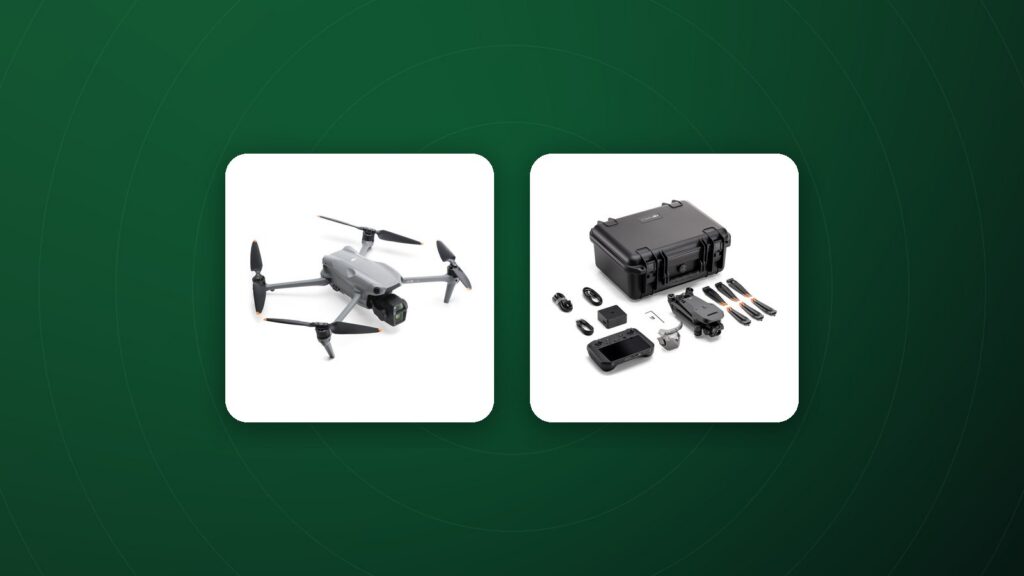
Knowing how to choose a camera drone starts with what you want to capture and where you plan to fly. Image quality, flight performance, safety features and local regulations all play a part.
Camera and sensor
Larger sensors deliver better dynamic range and low-light performance, which matters at sunrise and sunset. Look at photo resolution, video resolution and frame rates, colour profiles for grading and whether the drone offers multiple cameras or optical zoom.
Gimbal stability
A three-axis gimbal keeps footage smooth and the horizon level, even in moderate wind. Most camera drones today include one; professional platforms add interchangeable lenses and higher-end codecs.
Flight time and batteries
Manufacturer flight times are measured in ideal conditions. Plan for less in wind and cold weather, and carry spare batteries for longer sessions.
Transmission range and reliability
A strong, stable video link lets you frame shots accurately and fly safely. Always keep the drone within visual line of sight as required by regulations in many countries.
Obstacle sensing and safety
Omnidirectional obstacle sensing, return-to-home and geofencing features add safety, especially for newer pilots and complex environments such as forests and cities.
Weight class and regulations
A drone’s weight can affect registration and where you may fly. Rules differ by country and change over time, so check your aviation authority’s current guidance before flying, for example the FAA in the United States, Transport Canada or CASA in Australia.
Portability
Foldable compact drones are easy to take hiking and travelling. Larger cinema drones need cases, more batteries and often a second operator for camera control.
Flying responsibly
Respect people’s privacy, keep clear of crowds and wildlife, and avoid restricted airspace. Use apps and official resources from your aviation authority to check where you can fly.
Accessories worth adding
- Spare batteries and a charging hub.
- ND filters for natural motion blur in video.
- A protective case for travel.
Frequently Asked Questions
What is a good first camera drone?
A compact, foldable drone with obstacle sensing and a three-axis gimbal is a great starting point.
Do I need a licence to fly a drone?
It depends on your country, the drone’s weight and whether you fly recreationally or commercially. Check your local aviation authority.
Can drones fly in rain?
Most consumer drones are not designed for rain. Check the manufacturer’s specifications.
What camera settings work best for aerial video?
Use a shutter speed around double the frame rate, with ND filters in bright light.
How far can a drone fly?
Transmission range varies by model, but many regulations require keeping the drone within visual line of sight.
Shop camera drones
Compare cameras, flight times and features in our aerial quadcopters collection, with full specs and 60-day returns on eligible items.