Buying Guide
Anamorphic Lenses Explained for Filmmakers
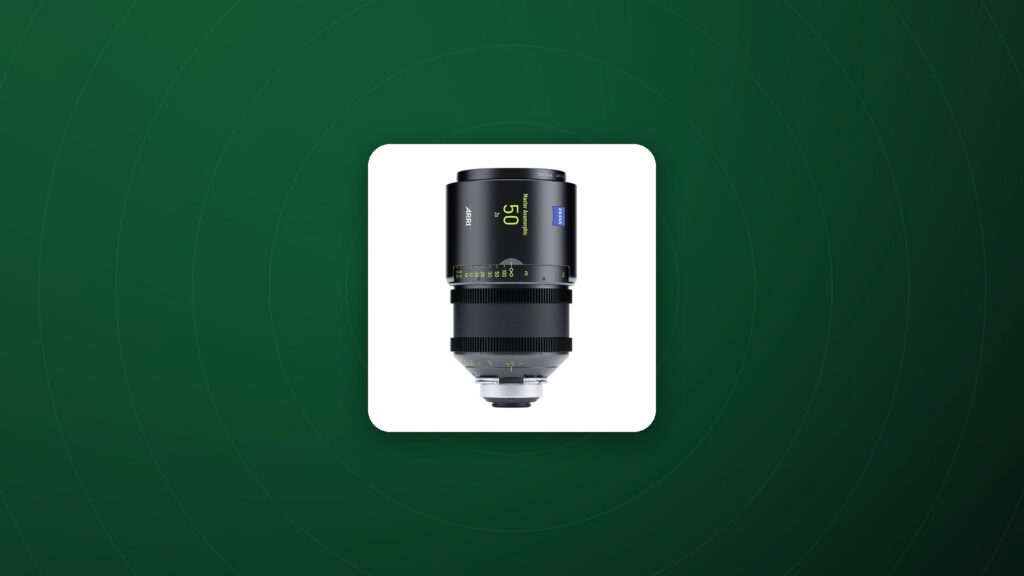
An anamorphic lens squeezes a wide field of view horizontally onto the sensor, which is later stretched back out (“desqueezed”) in editing or in the monitor. The result is the widescreen look associated with many feature films, with oval bokeh, distinctive flares and a unique sense of depth.
How anamorphic lenses work
A spherical lens projects an image with the same proportions horizontally and vertically. An anamorphic lens uses cylindrical elements to compress the image horizontally. When you desqueeze it by the same factor, you get a wider aspect ratio than the sensor alone would provide.
Squeeze factors
- 2x: the traditional cinema squeeze, typically used with 4:3 sensor areas to create very wide images.
- 1.8x, 1.6x and 1.5x: popular with 16:9 sensors, producing wide aspect ratios without excessive cropping.
- 1.33x: a subtle squeeze often used with 16:9 sensors for a 2.39:1-style frame.
Match the squeeze factor to your sensor’s aspect ratio and recording modes to avoid heavy cropping.
The anamorphic look
- Oval bokeh: out-of-focus highlights appear as vertical ovals.
- Horizontal flares: streaks across the frame when bright lights hit the lens.
- Field of view and depth: a wide view with the depth-of-field characteristics of a longer focal length.
- Edge character: gentle falloff and distortion that many cinematographers find organic.
Desqueezing on set and in post
To frame correctly, use a camera or on-camera monitor with an anamorphic desqueeze function. In editing software, set the pixel aspect ratio to match the squeeze factor.
What to check before buying
- Sensor size coverage (Super 35 or full frame).
- Squeeze factor that suits your sensor and delivery format.
- Mount and weight, and whether you need rods and support.
- Close-focus distance, especially for interviews and product shots.
- Flare colour (for example blue or amber), which defines much of the look.
Supporting your anamorphic setup
Many anamorphic lenses are heavy and front-loaded. A camera rig with lens support, a follow focus and a sturdy tripod head make shooting more comfortable and precise.
Anamorphic adapters vs dedicated lenses
Anamorphic adapters attach to the front of a spherical lens and add the squeeze. They can be affordable but are often slower to focus and use. Dedicated anamorphic lenses integrate the cylindrical elements and are easier to work with on set.
Lighting for the anamorphic look
Practical lights in the frame, such as street lamps, candles or car headlights, create the classic horizontal flares. Use them deliberately to add atmosphere, and control unwanted flares with a matte box and flags.
Frequently Asked Questions
Can I use anamorphic lenses for YouTube?
Yes. Many creators use them for a cinematic style; deliver in a widescreen aspect ratio with letterboxing.
Do I need a special camera?
No, but a camera with an open-gate or 4:3 mode and a desqueeze preview makes anamorphic shooting easier.
What is the difference between 1.33x and 2x?
The higher the squeeze, the wider the final image and the stronger the anamorphic characteristics.
Do anamorphic lenses need special editing?
You need to desqueeze the footage in your editing software by the lens’s squeeze factor.
What aspect ratio do anamorphic lenses produce?
It depends on the sensor area and squeeze factor; many setups produce around 2.39:1 after desqueezing.
Shop cine lenses
Explore anamorphic and spherical options in our digital cine lenses range, with full specs and 60-day returns on eligible items.